Design QA, in one loop.
Design QA is the review of a built interface against its design before the change merges. Design QA in days, not weeks. Open the initial implementation in Modeinspect, fix and make changes, and hand over only once.
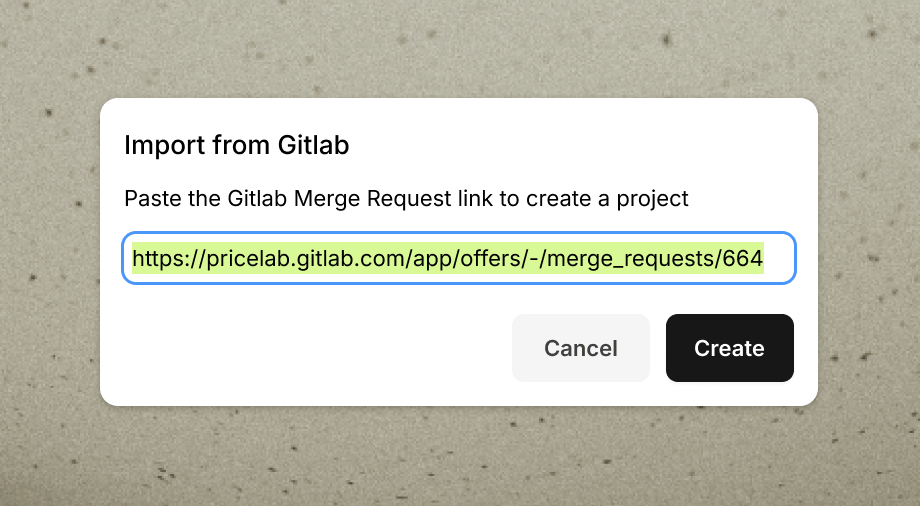
Open any pull request
Comments and handovers are things of the past. Open any pull request in Modeinspect in seconds and see the real, running build.
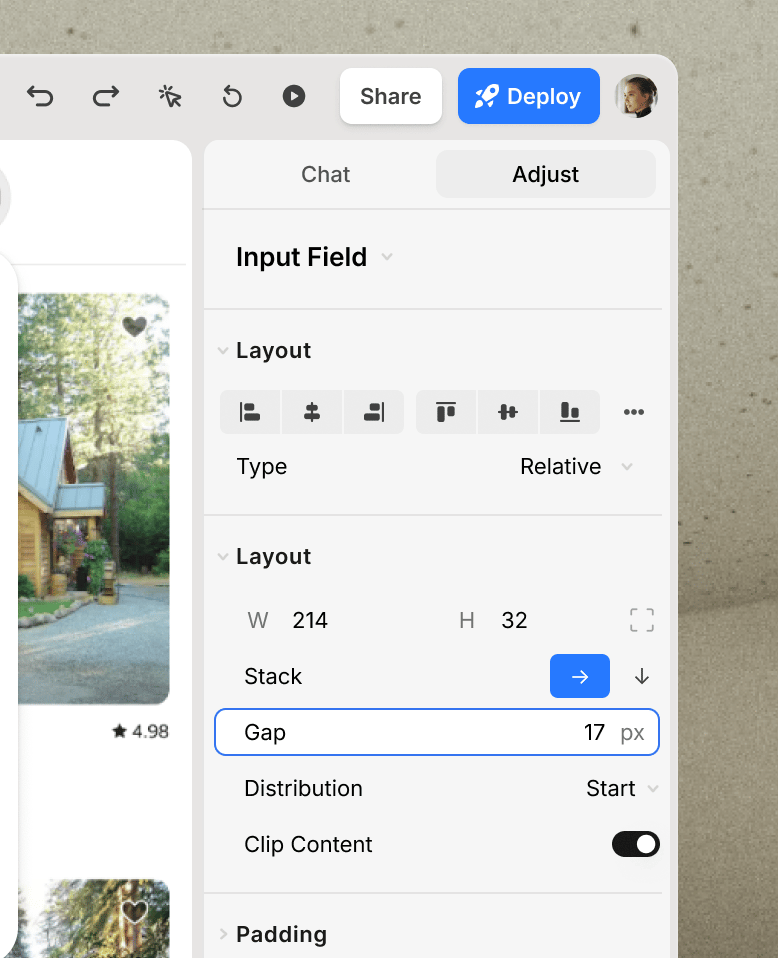
Fix and polish
Fix the feature with the controls you're already used to. Every change you make is instantly reflected in code, pixel by pixel against the canvas.
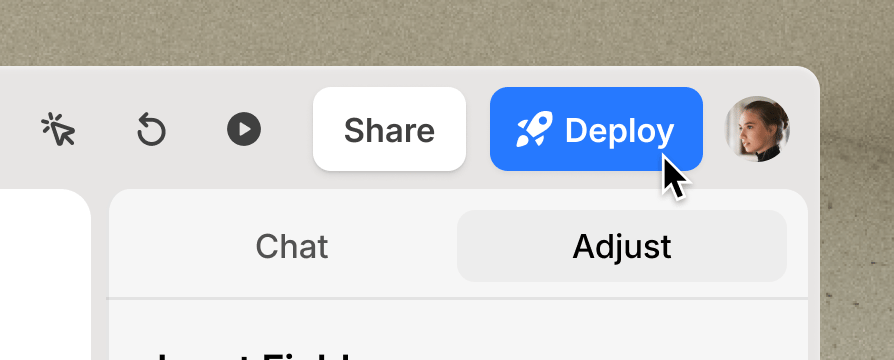
Ship
Ship a new pull request with your changes. It opens on top of the original pull request, and engineers review and merge it like any other. Finish design QA in one handover and enjoy the moment. You just saved weeks of round-trips.
7× faster Design QA.
The usual round-trip
~3 weeks- Initial QA
- 2nd implementation
- 2nd QA
- 3rd implementation
- Final QA
With Modeinspect
~3 days- Design QA edits
Prelude went from idea to merged pull request in 13 days.
Prelude's designers build on their own codebase and open the pull requests. Engineering review still gates every merge.
Read the Prelude story- Idea to merged PR
~31 days13 days- Handoffs per feature
5+1
Design QA guide
Design QA: the process, the checklist, and how to catch UI drift
What design QA is, why the build drifts from the design, a step-by-step process, and a checklist you can run on the next pull request.
What is design QA?
Design QA is the review of a built interface against its design intent before the change merges. It differs from QA testing, which checks requirements, and from visual regression, which checks against a previous build.
Read this section in the guide ↗Why the build drifts from the design
Handoff assumptions, tokens that never reached the code, states nobody designed, responsive breakpoints, real content lengths and motion are where UI drift comes from.
Read this section in the guide ↗The design QA process, step by step
When in the sprint it runs, who runs it, what to compare against, how to log findings and how to fix them in the pull request instead of a comment thread.
Read this section in the guide ↗The design QA checklist
Layout and spacing, typography, color and tokens, states and interaction, responsive, accessibility, content and motion. Each group names what to compare against.
Read this section in the guide ↗Design QA tooling in 2026
Figma Dev Mode compare, Chromatic and Percy visual regression, Playwright snapshots, Storybook, browser dev tools and Modeinspect for fixing the build in the pull request.
Read this section in the guide ↗Design debt and UX debt: the cost of skipping design QA
Every finding that ships becomes design debt, and unresolved design debt compounds into UX debt that a redesign pays for later.
Read this section in the guide ↗Design QA for designers who can fix it themselves
When the designer can open the pull request, adjust spacing, states and type with design controls and ship a new PR, design QA takes one handover instead of five.
Read this section in the guide ↗Questions
Also in the loop.
SHIP TODAY